
Why Organisations Should Refresh Their Theory of Change Every Year

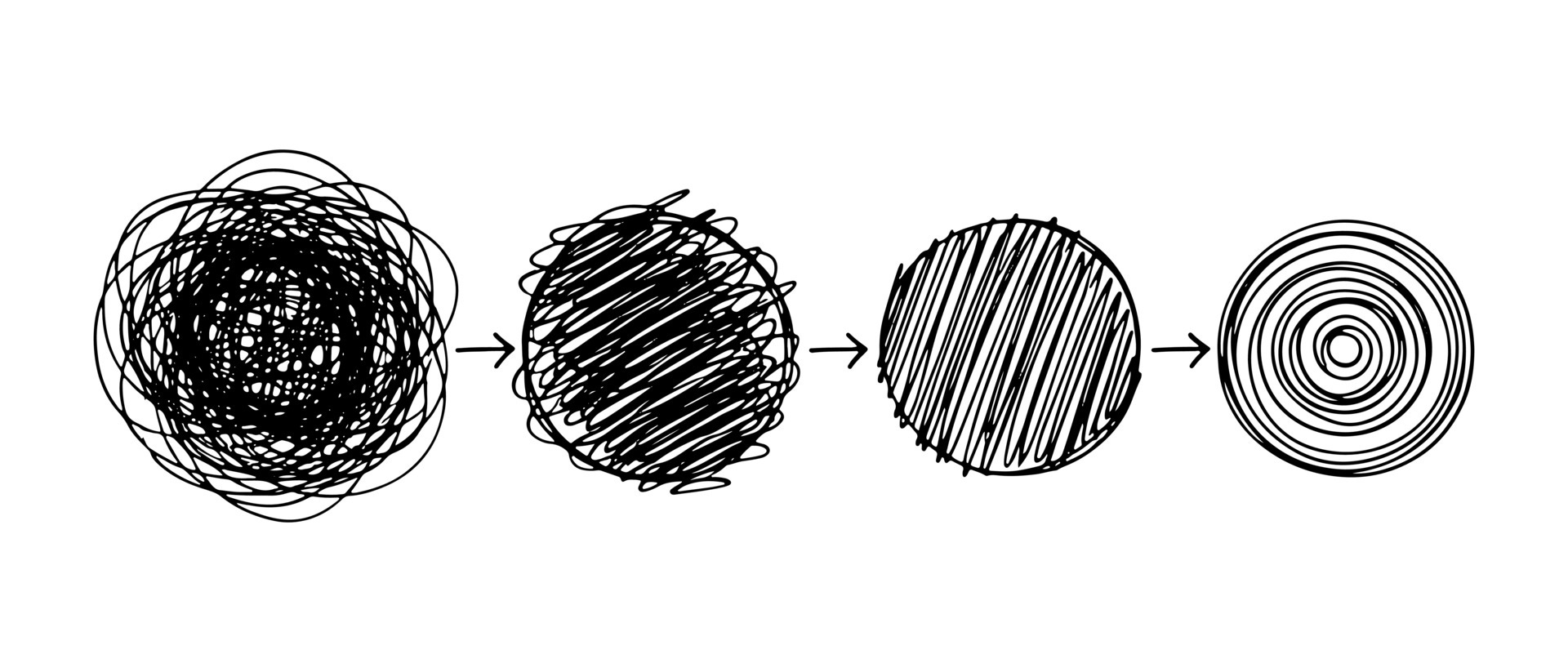
In many organisations, the Theory of Change is created during a strategic planning process, turned into a diagram for the annual report, and then quietly filed away.
It might be revisited every five years.
Sometimes not even that.
But the organisations that maintain strategic clarity — and funder confidence — tend to treat their Theory of Change very differently.
They revisit it regularly.
In fact, there is a strong case for refreshing your Theory of Change every year.
Not because your mission has changed.
But because the world around your mission almost certainly has.
What Is a Theory of Change?
A Theory of Change is a framework that explains how an organisation believes change actually happens.
It connects several key elements:
• The problem you are trying to solve
• The root causes of that problem
• The activities and programs you deliver
• The assumptions behind those activities
• The outcomes and impact you expect to achieve
In simple terms, it answers a crucial question:
Why should anyone believe your work will make a difference?
A strong Theory of Change shows the logical pathway between:
what you do → and the change you hope to see.
It moves organisations beyond describing activity and toward explaining impact.
Why Funders Love Seeing a Theory of Change
Funders increasingly look for organisations that demonstrate strategic clarity and discipline.
A clear Theory of Change helps funders quickly understand:
• Whether the organisation has clearly defined the problem
• Whether the proposed solution makes sense
• Whether activities align with long-term outcomes
• Whether the organisation understands the assumptions behind its work
• Whether impact is measurable and intentional
In other words, it signals that the organisation is thinking strategically, not reactively.
Funders often see hundreds of proposals.
A strong Theory of Change allows them to quickly see:
“This organisation understands the system they are trying to change.”
That builds confidence.
And confidence leads to investment.
But A Theory of Change Should Not Be Static
One of the biggest mistakes organisations make is treating their Theory of Change as a permanent document.
But while a mission might endure for decades, the pathway to achieving it evolves constantly.
In the space of just one year, an organisation might experience:
• New leadership or board members
• New evidence or research
• Changes in community need
• New partnerships or collaborators
• Funding shifts
• Policy or regulatory changes
• Economic pressures
When those conditions change, your underlying assumptions may change too.
If the Theory of Change remains static, it may no longer accurately reflect reality.
Why Refreshing Your Theory of Change Annually Matters
Refreshing your Theory of Change does not mean rewriting your strategy every year.
It means asking a series of important questions:
Do we still understand the problem in the same way?
Is our solution still the most effective approach?
Have we learned something new that changes how we operate?
Have our focus areas shifted?
Are we measuring the right outcomes?
Annual reflection helps organisations identify whether:
• assumptions still hold
• programs remain aligned with strategy
• impact pathways are still credible
This process strengthens strategic discipline and helps prevent mission drift.
The Role of New Voices
Another powerful reason to revisit your Theory of Change regularly is leadership renewal.
In many organisations:
• new board members join
• senior staff change
• program leaders evolve
• fundraisers arrive with fresh perspectives
If these leaders inherit a Theory of Change they had no role in shaping, they are often operating within someone else’s assumptions.
Refreshing the Theory of Change provides an opportunity to:
• incorporate new perspectives
• test inherited thinking
• build shared ownership of strategy
As Adele Stowe-Lindner from the Institute of Community Directors Australia has noted in governance discussions recently, strong strategy emerges when leaders collectively understand and own the pathway to impact.
That alignment becomes especially important when organisations are navigating complexity.
(Thanks for always teaching us so much Adele!)
A Strong Theory of Change Strengthens Fundraising
For fundraising leaders, a Theory of Change is not just a strategic tool.
It is a powerful communication tool.
It allows organisations to clearly explain to donors:
• why the problem matters
• why their approach works
• how funding leads to real change
When fundraisers can confidently articulate this pathway, conversations with funders become more sophisticated.
Instead of focusing only on activities or outputs, organisations can talk about systemic impact.
And sophisticated funders increasingly want to fund organisations that understand their role within a broader system.
Signs Your Theory of Change May Need Refreshing
If you are unsure whether your organisation should revisit its Theory of Change, consider these indicators:
• Your programs have evolved since the last strategic plan
• You have entered new partnerships or markets
• Your organisation has experienced leadership changes
• The external environment has shifted significantly
• Staff struggle to explain how programs link to impact
• Funders frequently ask for clearer impact narratives
Any of these signals suggest it may be time for a refresh.
The Value of a Living Strategy
Ultimately, the purpose of a Theory of Change is not to produce a beautiful diagram.
Its purpose is to ensure that organisations remain clear about how change actually happens.
Refreshing it regularly ensures that strategy remains connected to reality.
In a complex environment, that clarity is invaluable.
For staff.
For boards.
And for funders.
Because organisations that can clearly explain how their work creates change are far more likely to earn the trust and support required to sustain it.
Need help with your Theory of Change? Feel free to reach out: catherine@epadvisory.co